Cactus Outline: A Minimalist Desert Accent for Boutique Apparel
First Impressions: Clean, Confident, and Quietly Trendy
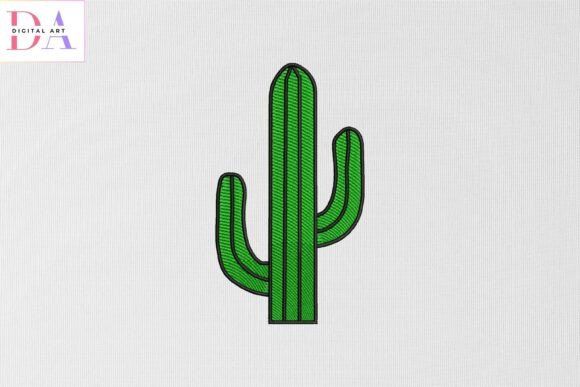
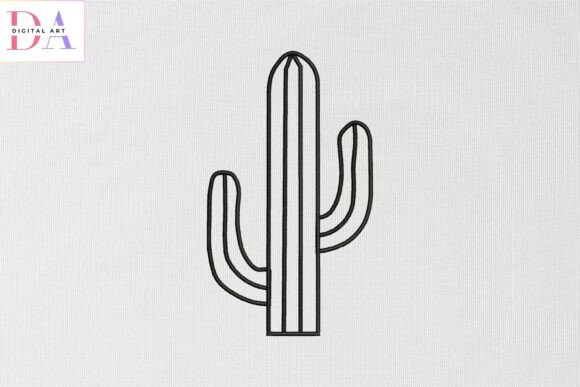
As an embroidery designer who’s stitched hundreds of boutique apparel collections—from limited-run hoodies to seasonal tote drops—my first glance at Cactus Outline landed with quiet confidence. It’s not loud or overly detailed, but it carries presence. The design reads as modern desert-inspired: lean, intentional, and effortlessly balanced. With clean stitched lines and a single-contour silhouette, it avoids cuteness overload or botanical clutter. This isn’t a floral explosion—it’s an Outline Flowers design that leans into minimalism without feeling sterile. It feels premium in its restraint, casual enough for everyday wear, and subtly feminine without leaning into cliché. For a small shop building visual consistency, Cactus Outline delivers strong decorative strength while leaving room for brand voice to shine through fabric choice, thread color, and placement.
Sweatshirt & Hoodie Performance: Where Simplicity Shines
Cactus Outline excels on neutral sweatshirts—think heather grey, oatmeal, or soft black. Its clean line work reads clearly even at 3–4 inches wide, making it ideal for chest placement on oversized hoodies or classic crewnecks. On pastel hoodies (dusty rose, sage, sky blue), the contrast lifts the design without competing. I tested it on midweight fleece and found it held beautifully—no puckering—when paired with medium-weight tear-away stabilizer. For sleeve accents or back designs, its outline-only nature keeps stitch density low, reducing stiffness and preserving drape. That’s critical for commercial embroidery where comfort drives repeat purchases. As a hoodie design, it avoids the “busy” trap many floral motifs fall into—giving your custom apparel breathing room and sophistication.
Beyond Sweatshirts: Versatility Across Lifestyle Products
This Cactus Outline embroidery file transitions seamlessly across product categories. On t-shirts? Crisp and lightweight—especially with matte poly thread on combed cotton. On denim jackets? It adds subtle texture without overwhelming the fabric’s ruggedness. Tote bags benefit from its scale flexibility: enlarge it for a bold side panel or shrink it for a refined corner accent. For cozy seasonal outfits—think sherpa-lined hoodies or brushed fleece loungewear—it reads warm and grounded, reinforcing a relaxed, earthy lifestyle aesthetic. And because it’s a machine embroidery design built for clarity over complexity, it photographs exceptionally well in printable mockups and lifestyle product photos—clean edges translate directly to sharp Etsy listings and scroll-stopping social media graphics.
Placement Wisdom: Where to Use It—and Where to Pause
For best results, place Cactus Outline on stable, low-stretch zones: center chest, upper back, or lower left hem. Avoid tight curves like collar bands or ribbed cuffs unless you’ve tested on identical fabric—outline-only designs can distort if hooped too tightly on stretchy or textured surfaces. On dark garments, choose high-contrast thread colors (cream, pale terracotta, or crisp white) to maintain legibility. With dense fabrics like heavy fleece or quilted jackets, confirm hoop size compatibility before stitching—some versions may require a 4x4 hoop minimum. And always test on scrap fabric first: thread tension, stabilizer pairing, and fabric texture interact uniquely—even with minimalist designs like this Embroidery file.
Brand Impact: More Than Just a Stitch
When you’re building a boutique brand, every design contributes to buyer trust and product recognition. Cactus Outline supports that quietly but powerfully. Its consistent, clean execution tells customers your handmade product is professionally considered—not just assembled. That perception lifts perceived value, especially when paired with thoughtful thread colors and precise placement. For Etsy sellers and small shop owners, it offers visual consistency across collections: use it solo on tees, layered with monogram initials on hoodies, or repeated in a subtle border on tote bags. Over time, it becomes part of your brand’s visual shorthand—a recognizable motif that builds familiarity without demanding attention. That balance is rare, and it’s why Cactus Outline fits so naturally into curated, intentional apparel lines.
Designer Notes Before You Stitch
- Test on scrap fabric—especially if working with ribbed knits, fleece, or performance blends.
- Review stabilizer choice: medium tear-away works well for most midweight apparel; add light cut-away for stretchy or unstable fabrics.
- Confirm thread color contrast—light threads pop on darks; deeper tones add warmth on neutrals.
- Check hoop size in the Creative Fabrica product details—ensure it fits your standard setup.
- Inspect stitch density visually in your embroidery software—outline-only should feel open and airy, never crowded.
- Test on similar garment fabric before full production—fabric texture changes how lines read.
- Compare placement options digitally first: chest, sleeve, or back—each changes the mood.
- Verify licensing terms on Creative Fabrica before selling finished apparel—commercial embroidery rights vary by seller.
Final Thought: A Thoughtful Tool, Not Just a Trend
Cactus Outline isn’t a flash-in-the-pan trend piece. It’s a considered, versatile tool for embroidery designers who value intention over ornamentation. Whether you’re launching your first small shop product, refreshing a seasonal collection, or building a cohesive digital embroidery file library, it earns its place—not because it shouts, but because it settles in with quiet authority. In a market saturated with busy motifs and overworked themes, its desert calm feels both timely and timeless. For anyone creating custom apparel with care, Cactus Outline is less about adding decoration—and more about inviting attention, one clean line at a time.