Simple Cactus: Minimal Desert Charm That Sells
First Impression: Clean, Confident, and Instantly Recognizable
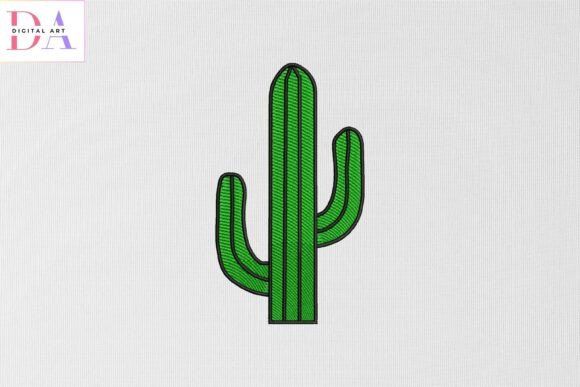
As an embroidery designer who’s curated over 200 craft fair booths—and watched thousands of shoppers pause at a single stitch—I can tell you: Simple Cactus lands exactly where it needs to. It’s not fussy. Not cartoonish. Not overly botanical or botanical-adjacent. It’s minimal, modern, and quietly confident—like a well-placed succulent on a sunlit shelf. The bold green stitching with crisp black outlines gives it graphic strength without sacrificing handmade warmth. It reads as desert-chic, not desert-campy. That distinction matters when your customer is choosing between ten tote bags in under eight seconds.
Where Simple Cactus Shines On Craft Fair Products
This design thrives where clarity, contrast, and charm converge. On a natural canvas tote bag? Perfect—it anchors the fabric without overwhelming. On a linen apron? It adds personality just above the pocket, subtle enough for kitchen professionals but distinct enough for Instagram tags. For tea towel embroidery? Yes—but only on smooth, tightly woven cotton or cotton-blend towels. Avoid highly textured terry or looped weaves; the black outline helps, but dense stitch density won’t grip uneven surfaces cleanly.
As an embroidered patch? Simple Cactus is ideal. Its clean silhouette holds up beautifully when cut, fused, or sewn onto denim jackets, backpacks, or market bags. On small fabric pouches or pillow covers? It works best centered and sized between 2.5"–3.5"—large enough to read, small enough to preserve delicate proportions. For caps? Proceed with caution: test on scrap first. Curved surfaces compress stitch spacing, and tiny cactus arms may blur if hooped too tightly or stitched too densely.
What Makes Simple Cactus a Smart Choice for Handmade Sellers
- Instant visual recognition: No decoding needed. Shoppers get “cactus” + “desert vibe” + “handmade quality” in under two seconds.
- Strong booth presence: Paired with terracotta, sage, cream, or charcoal fabrics, Simple Cactus creates cohesive mini-displays—even across product types (tote + tea towel + patch).
- Etsy-ready appeal: It photographs exceptionally well—no glare, no detail loss—and pairs naturally with printable mockups that highlight texture and scale.
- Batch-friendly: With no fine lettering, gradients, or nested fills, it’s stable across machines and repeatable across dozens of units without recalibration fatigue.
Real-World Production Notes Every Embroidery Designer Should Check
Before cutting your first stabilizer sheet, run these checks:
- Test on scrap fabric matching your final product—especially if using dark fabric. Confirm green thread pops against black outlines and background.
- Review spacing and stitch density. If the design feels crowded in the center (e.g., clustered spines), adjust underlay or reduce fill density slightly—especially for tea towel embroidery or lightweight cotton.
- Confirm hoop size compatibility. A design this clean should fit comfortably in a 4x4 hoop, but verify before loading dozens of files into your commercial embroidery machine.
- Match stabilizer to fabric texture. Use medium-weight cutaway for knits (caps, pouches) and tear-away for stable wovens (totes, aprons, pillow covers).
- Create one real mockup—not digital only. Hold the embroidered piece in natural light. Does the black outline hold? Does green read as vibrant, not muddy? Does it feel premium, not printed?
- Compare fabric colors side-by-side. Sage green thread on oatmeal linen reads differently than on ivory cotton poplin. Small shop products live or die by that nuance.
- Verify commercial licensing. As an Etsy seller or boutique maker, you need explicit permission to sell finished products using this digital embroidery file. Don’t assume “personal use only” covers your craft fair table.
Careful-Use Scenarios: Where Simple Cactus Needs Extra Attention
This isn’t a “set-and-forget” design. Its strength lies in simplicity—but simplicity demands precision. Avoid using it on:
- Thick or heavily textured towels—stitch definition blurs fast on terry cloth or waffle weave.
- Dark fabric without high-contrast thread—if your green thread lacks brightness or the black outline is thin, the design disappears.
- Sizes under 2”—the cactus shape loses legibility, and black outlines risk bleeding into adjacent stitches.
- Curved or stretchy cap fronts unless stabilized with adhesive + basting and tested thoroughly.
- Single Flowers Plants category listings without context—while technically accurate, “cactus” stands apart from florals. Use descriptive tags like “desert plant,” “minimal succulent,” or “modern botanical” to guide search and buyer expectation.
Why Simple Cactus Elevates Your Handmade Product Line
It’s more than a machine embroidery design—it’s a quiet value signal. Customers associate clean lines and intentional contrast with care, consistency, and craftsmanship. When they see Simple Cactus repeated across your tote bags, patches, and tea towels, they subconsciously register brand cohesion—even if your shop name isn’t stitched beside it. At a craft fair, that builds trust faster than a price tag. It also invites engagement: “Is that real cactus?” “Where’s it from?” “Do you have it on mugs?”—all openings to deepen connection and drive sales beyond the first item.
For digital sellers, Simple Cactus is a versatile anchor in your design assets library. Pair it with coordinating desert-themed motifs (geometric suns, minimalist mountains) to build bundles. For Cricut crafters adding iron-on elements, use the embroidery file as a sizing reference—then mirror its proportions in vinyl cuts for hybrid projects.
Final Thought: Simplicity Is Strategic
In a sea of ornate florals and busy script, Simple Cactus doesn’t shout—it invites. It’s the kind of embroidery file that sells because it feels intentional, not incidental. Whether you’re prepping for your next farmers’ market stall or uploading to Etsy, treat it like the small shop product it is: worthy of testing, thoughtful pairing, and deliberate presentation. Done right, it won’t just decorate your items—it’ll define your booth’s quiet confidence.