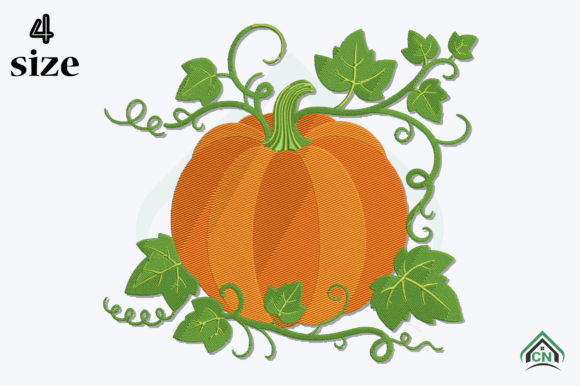
Pumpkin Floral Embroidery Design
First Impressions: Charming, Balanced, and Seasonally Grounded
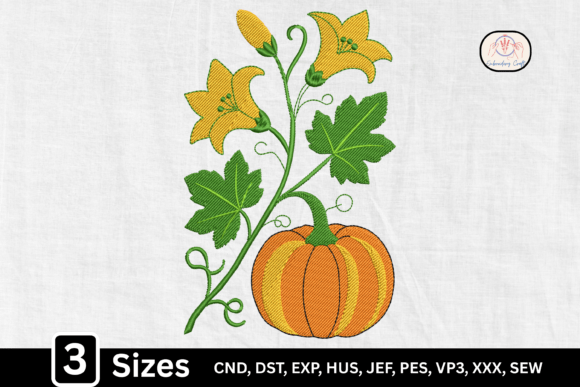
When I opened the Pumpkin Floral Embroidery Design file, what struck me first wasn’t just the theme—it was the composition. There’s a quiet confidence in how the pumpkins nestle among trailing florals without competing for attention. It doesn’t scream “fall” with clichéd boldness; instead, it whispers autumn through soft curves, open negative space, and thoughtful scale variation. This isn’t a design that crowds a hoop—it breathes. As someone who regularly selects machine embroidery designs for client projects and small-batch merchandise, I immediately pictured it on a linen tea towel, an organic cotton tote, or the chest of a lightweight baby sweatshirt. It feels handmade—not in a rough-hewn way, but in its intentionality.
A Real-World Test: Stitching It for a Boutique Kitchen Towel Line
Last week, I used the Pumpkin Floral Embroidery Design to produce a limited run of kitchen towels for a local maker shop. We chose unbleached, medium-weight linen—textured enough to add character, stable enough to hold detail. The result? A finished product that looked like it belonged in a curated gift shop, not a craft fair table. Customers responded to the warmth and restraint—the pumpkins read as cozy, not kitschy; the florals feel delicate, not fussy. That balance is rare. Too many seasonal embroidery files tip into over-saturation or visual clutter. This one doesn’t. It leaves room for the fabric, the stitching texture, and the buyer’s own interpretation.
Where It Shines (and Where to Pause)
The Pumpkin Floral Embroidery Design excels in custom apparel and home goods where subtlety adds value:
- Tote bags and aprons: Its horizontal flow anchors well on wide, flat surfaces—no awkward cropping or distortion.
- Baby items and nursery decor: Soft floral elements and rounded pumpkin shapes read gently, avoiding overwhelming detail for tiny garments or keepsake pillows.
- Holiday gifts and personalized products: It’s festive without being time-bound to Halloween alone—think Thanksgiving hostess gifts, October birthdays, or early fall baby showers.
- Etsy listings and boutique branding: The design supports clean, cohesive mockups. It translates beautifully into printable mockups and digital previews without needing heavy editing.
But—and this matters for real-world use—don’t assume it’s universally forgiving. On stretchy knits (like lightweight sweatshirts), I recommend testing stitch density and stabilizer pairing first. Dense fill stitch areas around pumpkin stems can pucker if the backing isn’t firm enough. And on dark fabric? Confirm your thread colors have enough contrast—especially in the finer floral outlines. Those running stitch accents vanish on navy or charcoal if you’re using tonal threads.
Design Integrity in Action
What makes the Pumpkin Floral Embroidery Design stand out isn’t just prettiness—it’s structural intelligence. The satin stitch edges on the pumpkins are generous but not excessive, reducing fraying risk after washing. The floral elements use a mix of fill and satin stitches that layer gracefully without stacking too many dense zones in one area. That means fewer thread breaks during long runs and better durability in commercial embroidery settings.
For Etsy sellers and craft business owners: this design elevates perceived value. A customer paying $38 for an embroidered pillow cover expects craftsmanship—not just coverage. The Pumpkin Floral Embroidery Design delivers that impression because it looks intentional at every scale. It also scales down surprisingly well for smaller hoop sizes (though avoid going below 4” wide without checking detail retention—those tiny flower centers may simplify or drop out).
Practical Designer Notes You’ll Actually Use
Before cutting fabric or listing your finished product:
- Test on scrap fabric first—especially if using textured weaves, terry cloth, or lightweight cotton voile.
- Review stitch density in your embroidery software. If it reads above 18,000 stitches, consider lightening fill areas for baby items or frequent-wash products.
- Confirm hoop size compatibility. Does the design fit comfortably within your standard hoops—or will you need re-hooping mid-stitch?
- Inspect small details at 200% zoom: petal tips, vine connectors, and stem joins. Are they clean? Do they require manual cleanup in your editing software?
- Test black-and-white mockups. Does the design retain shape and clarity without color cues? This predicts how well it’ll photograph for online listings.
- Compare light vs. dark backgrounds. Some floral elements rely on thread sheen—those won’t pop on black without metallic or high-sheen rayon.
- Use appropriate stabilizer: cutaway for knits, tear-away for stable wovens, and optional topping for loop-heavy textures like terry.
- Verify licensing before selling finished items or bundling the embroidery file as part of a digital product. Commercial use rights aren’t automatic—even for seasonal designs.
Fitting Into Your Creative Workflow
If you’re building a cohesive Autumn collection—whether for your craft business, Etsy shop, or local boutique—you’ll appreciate how the Pumpkin Floral Embroidery Design plays well with others. It pairs naturally with script monograms, simple leaf motifs, or even minimalist geometric borders. It’s not so dominant that it overshadows coordinating pieces, nor so quiet that it gets lost in a lineup. As a design asset, it’s versatile without being generic.
For personalized gifts? It adds warmth without imposing personality—ideal for customers who want seasonal charm but not cartoonish flair. For custom apparel decorators, it offers reliable stitch behavior across common blanks (Gildan 64000 sweatshirts, Bella+Canvas 3001 tees, Baggu totes). And for makers who care about longevity: the balanced stitch types and moderate density mean less wear at stress points after repeated laundering.
Final Thought: A Design That Respects the Maker and the Buyer
At its core, the Pumpkin Floral Embroidery Design works because it assumes competence—not just in the embroiderer, but in the person receiving or purchasing the finished product. It doesn’t shout. It invites closer looking. It rewards careful execution and thoughtful placement. In a market flooded with rushed, overly saturated seasonal files, this one feels like a quiet nod between professionals: “Yes, this will hold up. Yes, it will sell. Yes, it will make someone smile when they unfold their towel or lift their tote.” That’s the mark of a truly useful embroidery file—not just a pretty picture, but a practical, trustworthy tool.