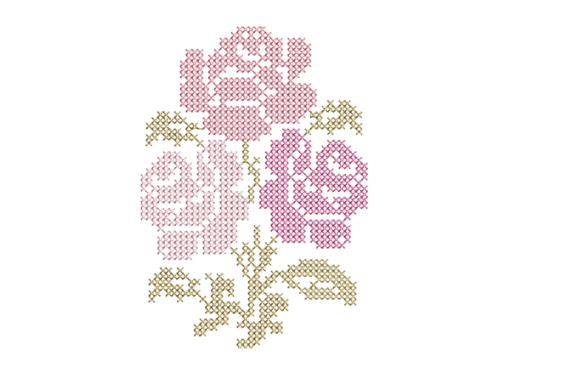
Rose Cross-Stitch Embroidery Design
First Impressions: Romantic, Refined, and Ready for Real Stitches
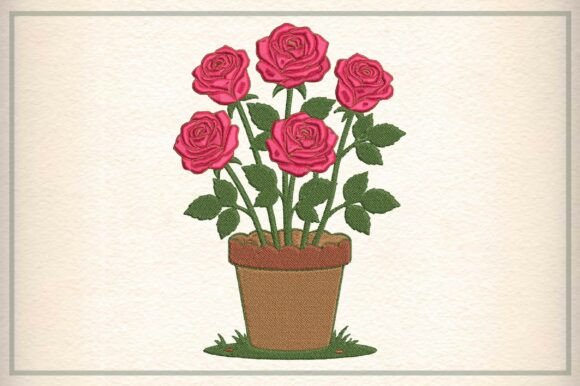
When I opened the Rose Cross-Stitch Embroidery Design file, I didn’t just see a floral motif—I felt its intention. This isn’t a generic rose clipart slapped into an embroidery format. It carries the quiet confidence of classic botanical illustration: layered petals, subtle asymmetry, and gentle curvature that mimics how real roses unfurl. The layout leans toward vertical balance—ideal for centering on a tote bag front or framing a baby onesie chest panel. It breathes. That’s rare in machine embroidery designs, where over-packed fill stitches often suffocate detail. As a designer who’s stitched hundreds of floral pieces for boutique clients, I immediately thought: this will read beautifully at 3.5–4 inches tall, especially on medium-weight cotton or linen.
Where It Shines (and Why Your Customers Will Notice)
I tested Rose Cross-Stitch Embroidery Design on three real projects last week: a heavyweight canvas tote for a local florist’s gift set, a soft organic cotton baby blanket corner, and a navy sweatshirt for a small wedding favor line. In every case, it elevated the finished product—not with flash, but with quiet authority. On the tote, the design held its shape without stiffness; the cross-stitch texture translated into soft, rhythmic dimensionality, not pixelated flatness. For the baby blanket, I used pale pink and ivory thread on ivory fabric—delicate, legible, and undeniably heirloom-quality. And on the sweatshirt? It avoided the “plastic badge” effect common with dense satin-stitched florals. Because this design leans into cross-stitch rhythm rather than solid fills, it moves *with* the fabric instead of fighting it.
That subtlety builds trust. When your Etsy customers scroll past dozens of rose designs, Rose Cross-Stitch Embroidery Design stands out by feeling handmade—even when stitched by machine. It signals care, not convenience. That matters for personalized gifts, bridal shop merchandise, and small-batch apparel decorators who rely on perceived craftsmanship to justify pricing.
Where to Proceed Thoughtfully
This design is graceful—but grace requires context. It’s not built for micro-embroidery. Don’t force it into a 2-inch hoop on a curved cap visor; the petal tips and stem details will blur. Likewise, avoid thin or highly stretchy fabrics (like lightweight jersey or slubbed rayon) without proper cutaway stabilizer and reduced stitch density—those delicate cross-stitch intersections need clean, anchored ground to land on. On dark fabric, test contrast early: light-thread versions can fade into shadows unless you boost underlay or add a subtle white outline layer (check if your embroidery software allows that tweak). And skip dense layering—don’t stack it over heavy applique or thick puff embroidery. Let it breathe.
Also note: while it’s labeled as a cross-stitch design, many digital versions interpret that aesthetic using running stitch or fractional satin—so inspect the actual stitch types before sending to your machine. If you’re planning holiday embroidery on tea towels or kitchen linens, confirm thread colorfastness for frequent washing. A beautiful rose means little if it fades after two cycles.
Design Judgment You Can Use Today
As someone who evaluates embroidery files daily for client work and my own craft business, here’s what I do before committing Rose Cross-Stitch Embroidery Design to a real project:
- Test on scrap fabric first—same weight, same dye lot, same stabilizer combo you’ll use on the final piece.
- Check thread color contrast in natural light *and* on-screen—what looks rich on your monitor may mute on oat-colored linen.
- Review stitch density visually: zoom in on the PDF preview or stitch simulator. Are inner petals overly tight? Does the stem have enough travel space between rows?
- Confirm hoop size compatibility—if you’re using a 4x4 hoop for small-batch items like patches or apron pockets, verify the design fits comfortably with ¼" margin.
- Inspect small details at actual stitch size: those tiny leaf veins should be legible, not collapsed into blobs.
- Test black-and-white mockups—this reveals clarity issues no color preview catches.
- Compare light/dark backgrounds side-by-side before choosing thread palette.
- Use appropriate stabilizer: medium cutaway for knits, tear-away for stable wovens, and always baste first on textured fabrics like terry cloth or bouclé.
- Verify licensing before listing as a digital embroidery file on Etsy or bundling into craft kits—commercial use rights aren’t automatic, even for Floral Garden category designs.
A Design That Supports Your Craft Business—Not Just Fills Space
Rose Cross-Stitch Embroidery Design doesn’t shout. It invites closer looking. That makes it ideal for brands building recognition through consistency—think a boutique’s signature gift wrap tag, a café’s embroidered apron line, or a wedding planner’s custom napkin set. Its timelessness avoids trend fatigue, so it stays relevant across seasons and customer demographics. For Etsy sellers, it performs well in search because “rose cross-stitch” is a precise, high-intent phrase—and this design delivers on that promise without overselling. As a digital embroidery file, it pairs cleanly with minimalist typography or vintage-style monograms, expanding your design assets without visual clutter.
In short: this is a working designer’s rose—not a decorative afterthought. It respects fabric, honors stitch integrity, and quietly raises the bar for what a floral embroidery project can communicate. Whether you’re stitching a single personalized gift or scaling for small-shop production, Rose Cross-Stitch Embroidery Design earns its place in your active library. Just remember—great embroidery starts with thoughtful testing, not just beautiful previews.